
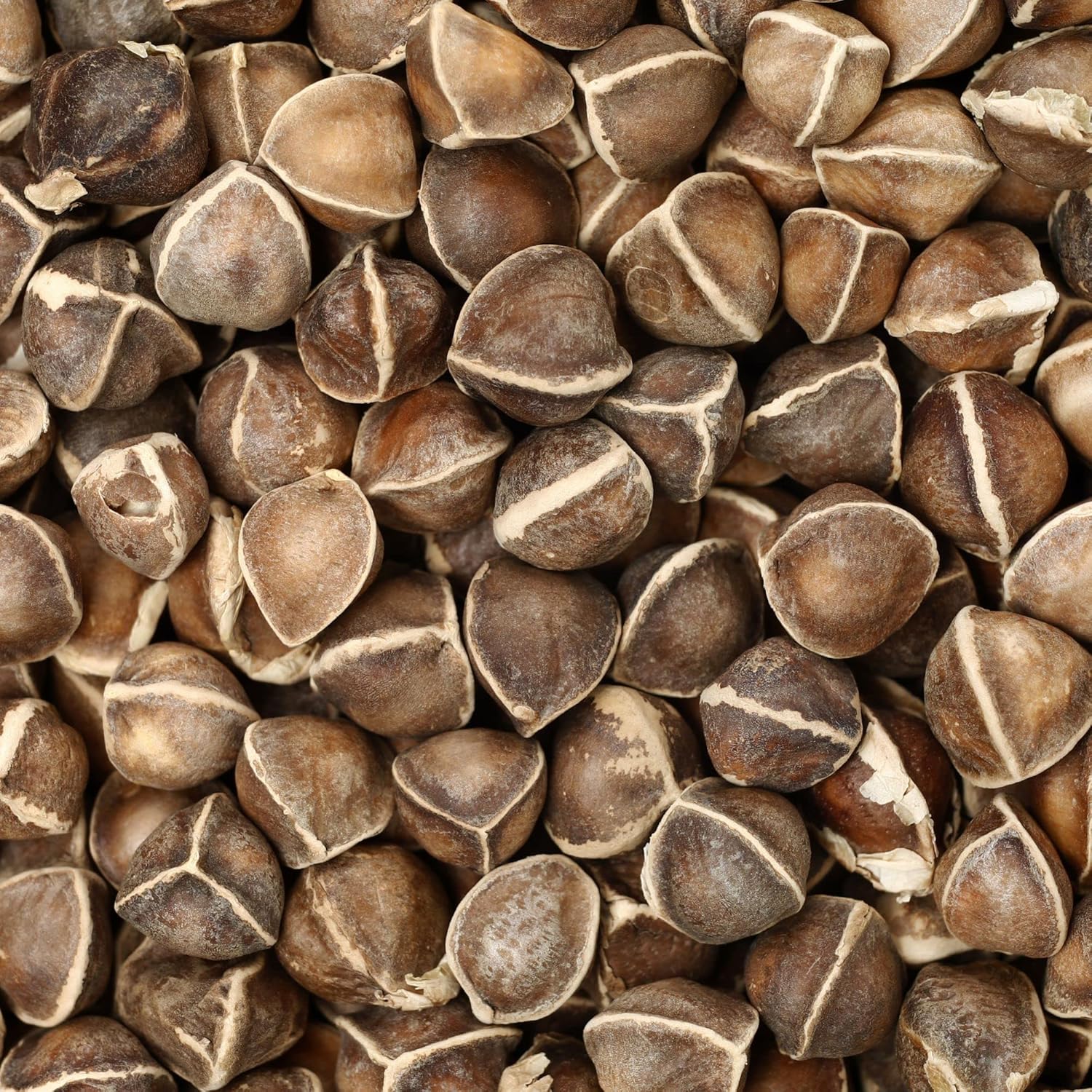
The Ultimate Guide to Marijuana Seeds: Understanding, Choosing, and Cultivating
Marijuana seeds are the starting point for every cannabis cultivation journey. Whether you’re an experienced grower or a curious newcomer, understanding the different types of seeds and how to nurture them is essential. This guide comprehensively covers everything you need to know about marijuana seeds, from their varieties to their cultivation. For more detailed information, you can visit https://kindseed.com/marijuana-seeds-information/.
Understanding Marijuana Seeds
Marijuana seeds can be classified into three primary categories: regular seeds, feminized seeds, and auto-flowering seeds. Each type has its own unique characteristics and cultivation requirements.
Regular Seeds
Regular marijuana seeds are the most straightforward form of seeds. They contain both male and female plants. This variety is perfect for breeders looking to create new strains, as it offers the chance to explore genetic diversity. However, growers must be prepared to identify and remove male plants, as they can pollinate females and reduce the quality of the buds.
Feminized Seeds
Feminized seeds are engineered to produce only female plants, virtually eliminating the chance of male plants pollinating the females. This is ideal for growers focused on bud production, as female plants are the ones that produce the high-THC flowers sought after by cannabis consumers. Feminized seeds are often favored by commercial growers and home gardeners alike for their simplicity and reliability.
Auto-flowering Seeds
Auto-flowering seeds are a relatively new breed, designed to flower based on age rather than light cycles. These seeds are perfect for beginners and those looking for a faster turnaround time on their crops. Auto-flowering plants typically transition from the vegetative stage to flowering stage around 2-4 weeks after germination, making them a popular choice for those with limited growing seasons or indoor grow setups.
Choosing the Right Seeds
When selecting marijuana seeds, consider your growing conditions and objectives. Here are some important factors to keep in mind:

- Growing Environment: Indoor vs. outdoor growing can greatly affect your choice of seeds. Indoor growers may prefer auto-flowering or feminized seeds for ease of use, while outdoor growers can benefit from regular seeds for breeding purposes.
- Strain Preferences: Different strains have different effects, growth patterns, and flavors. Research the cannabis strains that best suit your needs, whether for recreational or medicinal purposes.
- Genetics: Opt for seeds from reputable breeders who provide clear information about the genetic lineage of their strains. Quality genetics can lead to healthier plants and more potent buds.
- Seed Bank Reputation: Purchase seeds from established seed banks with good reviews. Trustworthy sellers provide high-quality seeds and reliable customer service.
Germinating Marijuana Seeds
Once you’ve selected the right seeds, the next step is germination. A common method is the paper towel technique:
- Moisten two paper towels and place one on a plate.
- Place the seeds on the towel, spaced out to avoid overcrowding.
- Cover the seeds with the second moist paper towel and place another plate on top to create a dark, humid environment.
- Check regularly to ensure the towels remain moist but not soggy. In about 24-72 hours, seeds should sprout tails, indicating that germination has begun.
Planting Your Germinated Seeds
Once germinated, the seeds can be planted in a growing medium. Here is a brief guide on planting:
- Soil Mix: Choose a high-quality soil mix, or consider hydroponic systems for faster growth.
- Depth: Plant the germinated seed about 1/4 to 1/2 inch deep, with the tail facing downward.
- Watering: Gently water the soil after planting, ensuring it is moist but not overly wet.
Cultivating Your Marijuana Plants
As your plants grow, various factors will influence their health and yield:
Light Requirements
Marijuana plants require a significant amount of light for optimal growth. Indoor growers should provide adequate LED or HPS lighting, while outdoor growers should take advantage of direct sunlight.
Watering Properly
Overwatering is a common pitfall for new growers. Allow the soil to dry between watering sessions, and monitor for signs of stress in your plants.
Nutrient Supply
Cannabis plants require a balanced nutrient supply throughout their growth stages. Use organic fertilizers and adjust the nutrient levels based on your plant’s specific growth stages.
Harvesting Your Buds
Knowing when to harvest your cannabis is crucial to achieving the desired potency and flavor. You’ll want to monitor the trichomes on the buds using a magnifying glass. Trichomes should change from clear to milky white with a few amber-colored ones for the best potency.
Storing Your Marijuana Seeds
A successful harvest leads to the next cycle of cultivation. Proper seed storage ensures that your seeds maintain their viability for future planting:
- Store seeds in a cool, dark, and dry place.
- Use airtight containers to prevent moisture absorption.
- Label your containers with strain information for easy identification later.
Conclusion
Understanding marijuana seeds is the foundation of successful cannabis cultivation. By choosing the right seeds, meticulously germinating, planting, and caring for your plants, you can grow high-quality cannabis at home. Whether you’re in it for personal use or to create a thriving garden, knowing the ins and outs of marijuana seeds will serve you well on your growing journey.
Further Resources
For more in-depth information and tips on growing marijuana seeds, visit kindseed.com for comprehensive guides and expert advice.