
The psychology of gambling understanding the mind behind the bets Pin-Up casino
The Allure of Risk and Reward
The psychology of gambling is deeply rooted in the concepts of risk and reward. The thrill of potentially winning large sums of money can be intoxicating, drawing players back time and again. This dynamic often overshadows the reality of losses, as the excitement of a win ignites feelings of hope and anticipation. Understanding this allure helps to explain why individuals engage in gambling despite knowing the odds are often stacked against them. Moreover, many are attracted to the Pin up casino bonus promo code for India players, which can enhance their gaming experience significantly.
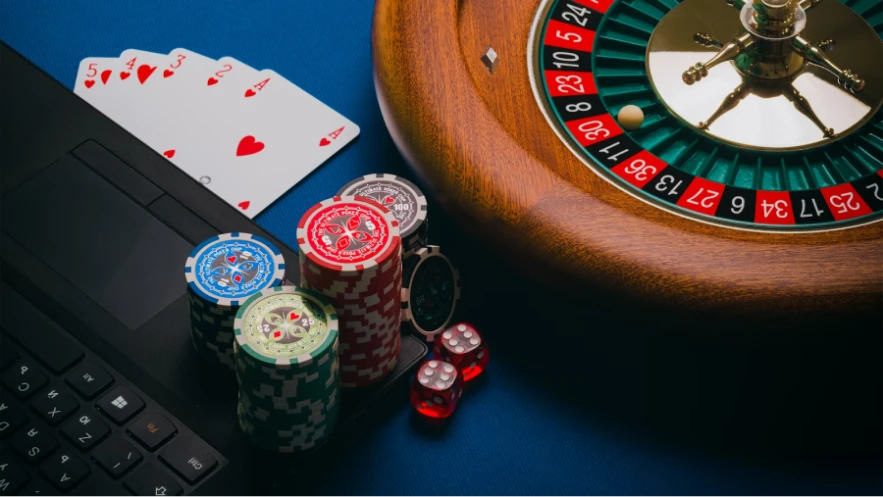
Furthermore, the brain’s reward system plays a significant role in this behavior. The release of dopamine during a win can create an addictive cycle, where players chase the high of their initial success. This cycle is exacerbated in a casino environment, which is designed to enhance excitement and prolong play, ultimately leading to increased gambling behavior.
The Role of Cognitive Biases
Cognitive biases significantly influence gambling behavior, leading individuals to make irrational decisions. For example, the illusion of control can prompt players to believe they can influence game outcomes through skill or strategy, even in games of chance. This false sense of empowerment often leads to greater betting amounts and increased time spent gambling.
Another common bias is the gambler’s fallacy, where individuals believe that past results affect future probabilities. This can lead to erratic betting patterns, as players might feel a win is “due” after a series of losses. Understanding these biases sheds light on the complexities of gambling decisions and the psychology driving them.
The Emotional Rollercoaster of Gambling
The emotional aspects of gambling are profound and multifaceted. Players often experience highs and lows that can resemble an emotional rollercoaster. Winning can lead to feelings of euphoria, while losing can result in frustration or despair. This emotional volatility can drive individuals to gamble more, seeking to recreate the highs or escape from the lows.
This pattern can also lead to problematic gambling behavior, as individuals may gamble as a coping mechanism to deal with stress or anxiety. Recognizing the emotional triggers that lead to gambling can be vital in understanding how to foster healthier gaming habits and make more informed decisions at the casino.
Social Influences on Gambling Behavior
Social factors also play a critical role in gambling. The camaraderie of playing games in a casino or online can enhance the overall experience and make it more enjoyable. Social interaction often promotes a sense of belonging, which can be appealing in a world where many seek connection.
Peer influence can be powerful as well; friends who gamble may encourage others to join in. Social media and online forums can amplify this effect, as players share their experiences and wins, contributing to a culture that normalizes gambling behavior. Understanding these social dynamics is crucial in comprehending the broader psychological landscape of gambling.

Exploring Pin-Up Casino and Its Psychological Appeal
Pin-Up Casino has tailored its offerings to attract a diverse audience, particularly in the Indian market. With a variety of engaging games, from slots to live dealer options, the site appeals to both novice and experienced players. The psychological allure of these games is heightened by exclusive promotions, such as bonuses and free spins, creating an enticing environment for potential bettors.
The casino’s design and user experience are also critical in enhancing the gambling experience. By providing detailed guides and support, Pin-Up Casino enables players to maximize their benefits, thus creating a sense of control and mastery over their gaming choices. This blend of engagement and psychological understanding positions Pin-Up Casino as a leading choice for those exploring the world of online gambling.